

Today’s Beatty – Small Town, Big Sky
Beatty’s story starts long before pavement, neon, and gas pumps. The Oasis Valley along the Amargosa River was home to Western Shoshone people who lived with the rhythms of the desert, hunting game and gathering plants in this rare ribbon of water and green. In the late 1800s, rancher and miner Montillus “Old Man” Beatty settled here, and when a gold rush exploded in the nearby Bullfrog Hills in 1904, his little ranch outpost became the seed of a town. By 1905, Beatty was officially on the map, quickly growing into a rail and supply hub for a string of mining camps like Rhyolite, Bullfrog, and Gold Center.


As the early-1900s boom faded and the railroads disappeared, Beatty did something a lot of desert camps never managed: it survived. The automobile and new highways helped shift the town from a pure mining service center into a small crossroads community. When Death Valley was made a national monument in 1933, Beatty started leaning into its new identity as the “Gateway to Death Valley,” welcoming travelers with cafés, motels, gas stations, and that classic wide Western main street framed by bare mountains on every side.


Modern Beatty is still small—under a thousand people—but it punches way above its weight. It’s the closest Nevada town to Death Valley National Park, a launch point for Titus Canyon drives, Rhyolite Ghost Town, the Goldwell Open Air Museum, Bailey’s Hot Springs, and miles of open Bureau of Land Management backroads. On any given day, you’ll see a mix of motorcyclists, RV caravans, hikers, photographers, and national park visitors rolling through, topping off tanks and grabbing burgers before disappearing back into the desert.
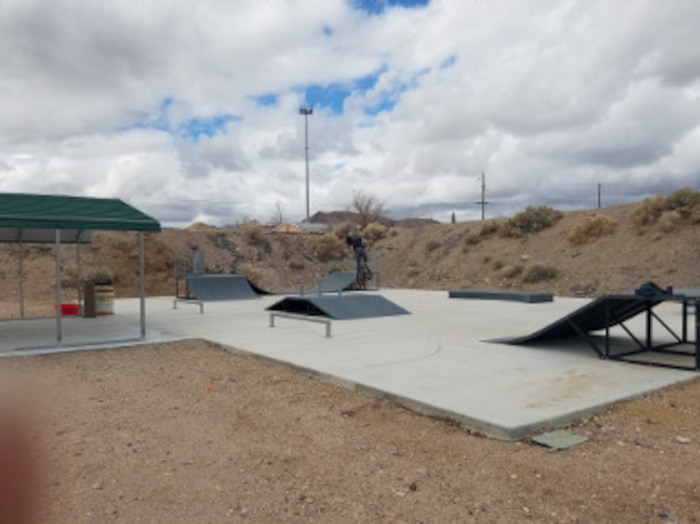


At the same time, Beatty is very much a lived-in hometown, not just a highway stop. Local businesses—motels, RV parks, diners, casinos, markets, rock shops, jerky stands—keep the lights on, while public agencies, nearby mining, and federal installations round out the job base. The Beatty Museum and Historical Society tells the story of the Bullfrog Mining District, and community groups host festivals, fun runs, burro-themed events, and holiday gatherings that give the town its tight-knit feel. It’s the sort of place where you recognize trucks before you recognize faces, and news still travels faster than the Wi-Fi.


Today’s Beatty stands at an interesting crossroads—literally and figuratively. With U.S. 95 feeding traffic between Las Vegas and Reno, and State Route 374 leading straight into Death Valley, the town is balancing heritage and new opportunity: historic mining ruins and burros on one side, renewable-energy ideas and adventure tourism on the other. What hasn’t changed is its core identity: a tough little oasis with a big sky, a stubborn will to survive, and a welcome sign that might as well read, “You’ve made it—this is where the desert adventure starts.”


