
Beatty, Nevada: 1905–1974
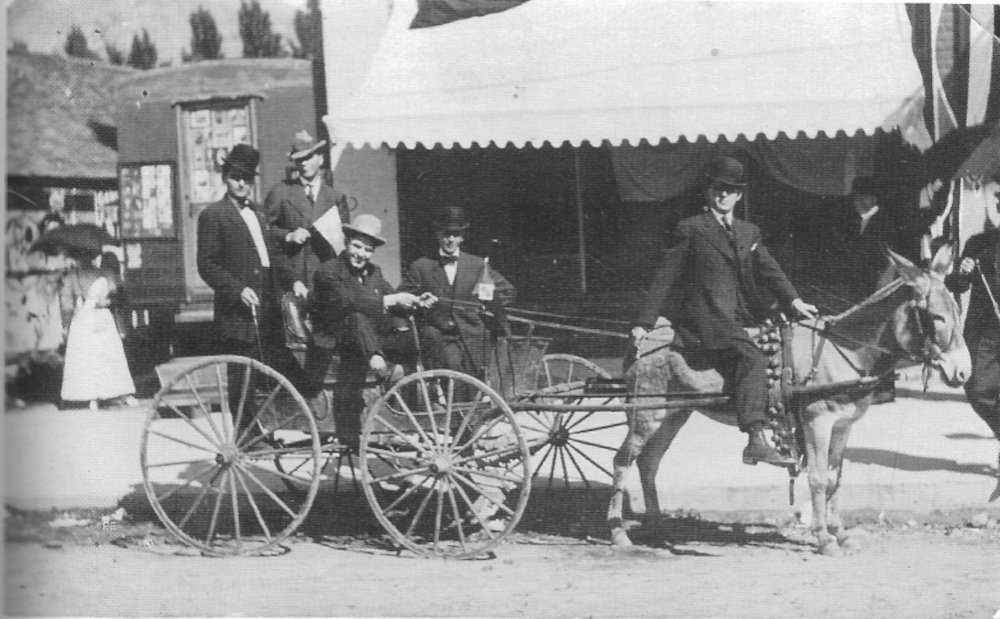
Beatty was officially established in 1905, named after rancher and Civil War veteran Montillus “Old Man” Beatty, whose Oasis Valley ranch sat just north of the new camp. The town grew up fast as the service center for the Bullfrog Mining District, supplying nearby boomtowns like Rhyolite with freight, lodging, and essential goods. By 1906–1907, Beatty was unusually well connected for a desert camp, with three competing railroads—the Las Vegas & Tonopah, Bullfrog Goldfield, and Tonopah & Tidewater—bringing in people, equipment, and dreams, and turning the little settlement into a busy rail hub with hotels, saloons, an ice house, meat markets, and its own newspaper.


As the mining booms faded in the 1910s and the satellite camps around Beatty went quiet or died, the town didn’t vanish the way so many of its neighbors did. Instead, Beatty slowly shifted from boomtown to crossroads. The railroads fell away one by one—LV&T in 1918, Bullfrog Goldfield in 1928, and Tonopah & Tidewater in 1940—but Beatty hung on as a modest trading and service center for ranches, small mines, and travelers moving through the central Nevada desert.
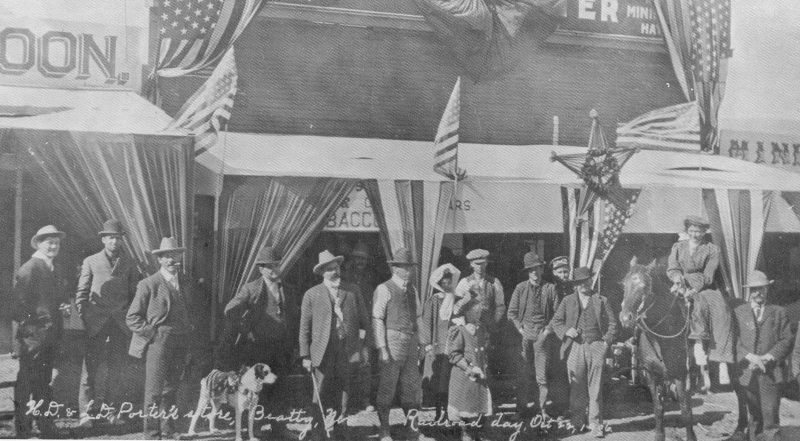
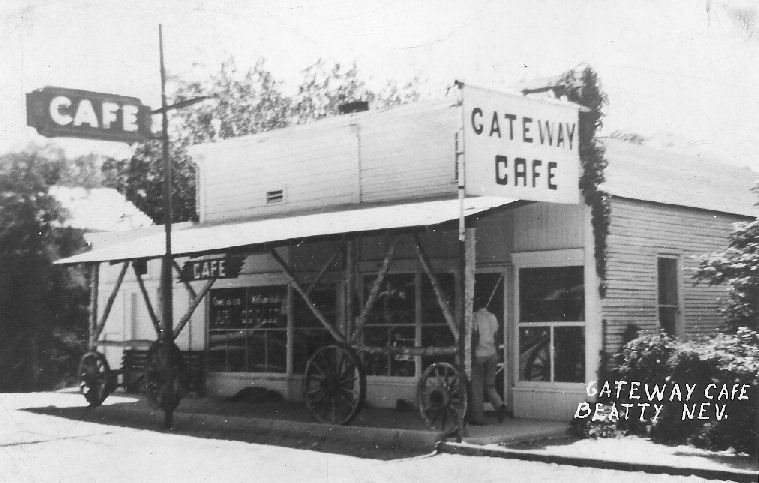
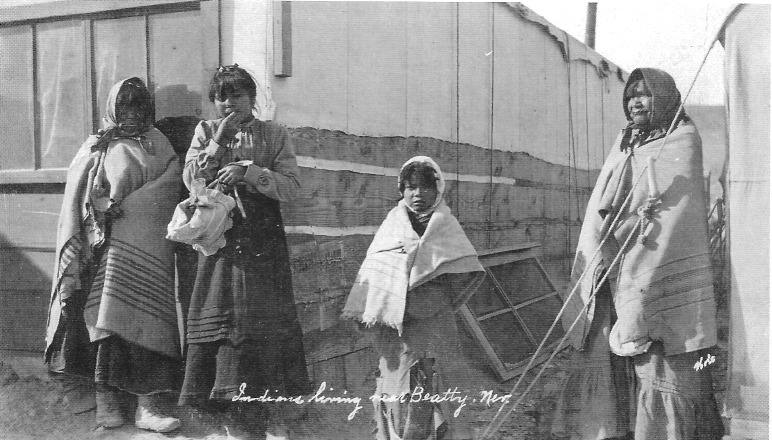
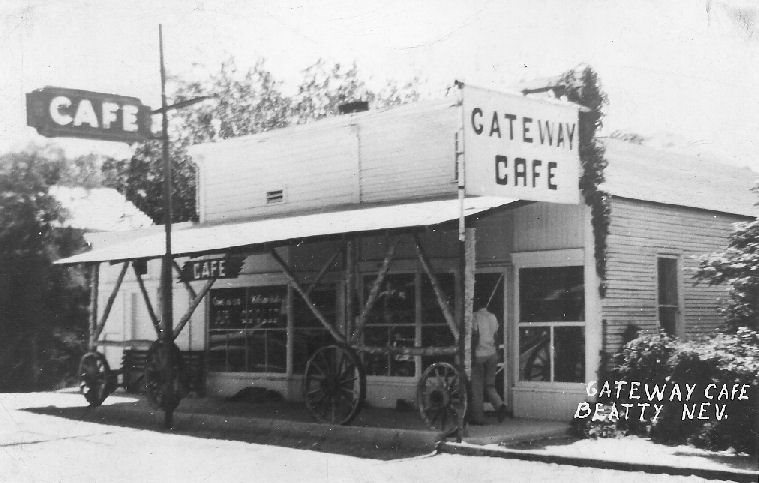
In the 1920s and 1930s, the automobile era and the rise of tourism started to reshape Beatty’s role. The town promoted itself as the “Gateway to Death Valley,” serving visitors headed for scenic stops like Rhyolite’s ruins and, later, Scotty’s Castle. Gas stations, cafes, drugstores, and small hotels lined Main Street, giving Beatty a classic Western highway-town feel that shows up in postcards and photos from the period.
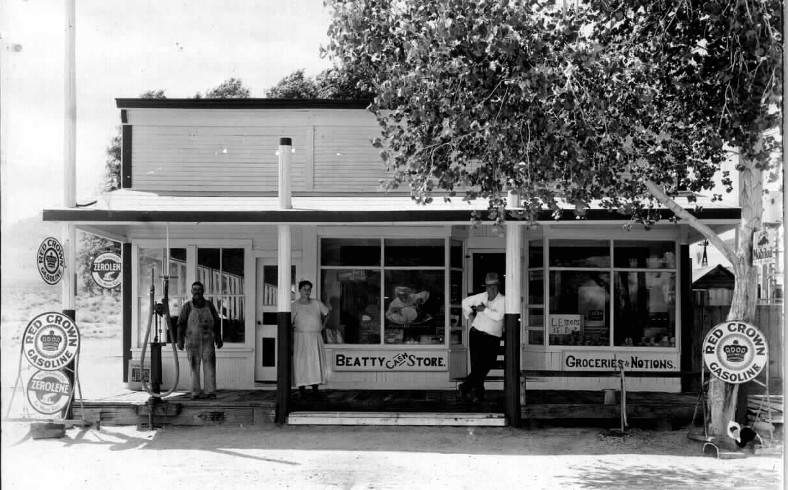
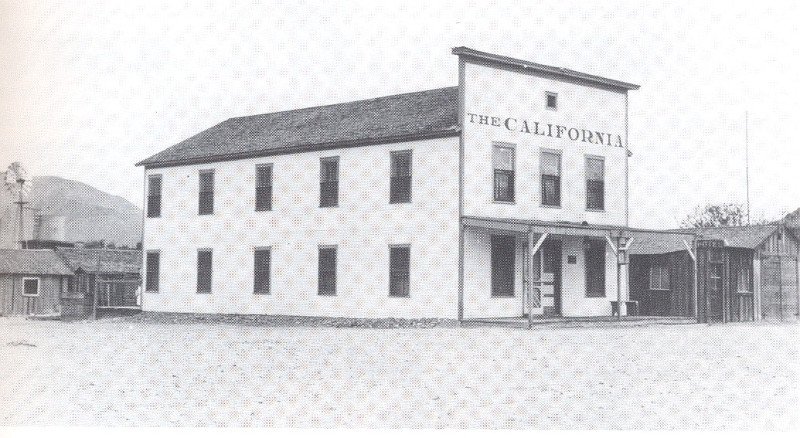
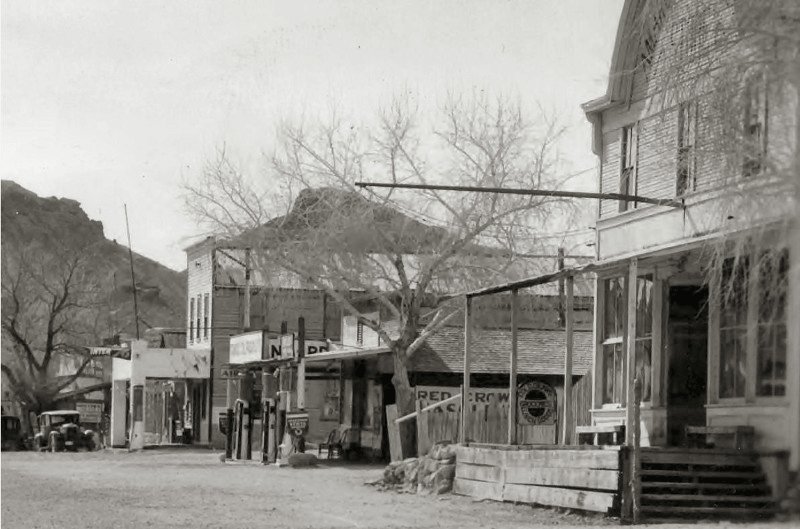
The 1940s and 1950s layered in something entirely new: the atomic age. With the expansion of the Nellis Air Force Range and, especially, the creation of the Nevada Test Site in 1951, Beatty gained a fresh source of jobs. Locals found work tied to defense and nuclear testing, while the town continued catering to tourists exploring Death Valley National Monument (established in 1933) and motorists rolling along U.S. 95 between Las Vegas and Tonopah. Electricity, phone service, and other modern utilities arrived during and just after World War II, gradually pulling Beatty into the mid-20th century while it kept its frontier flavor.
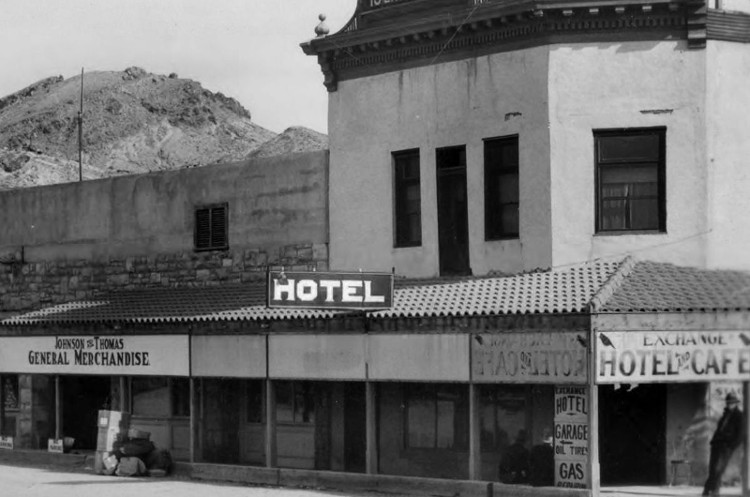
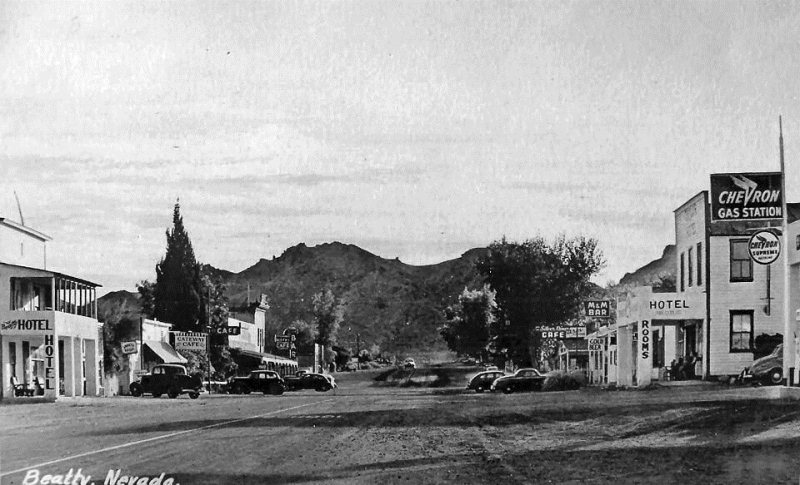
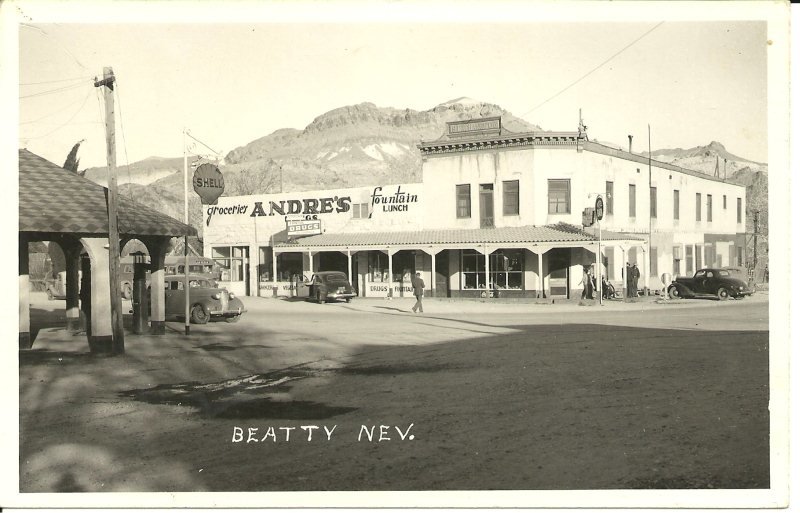
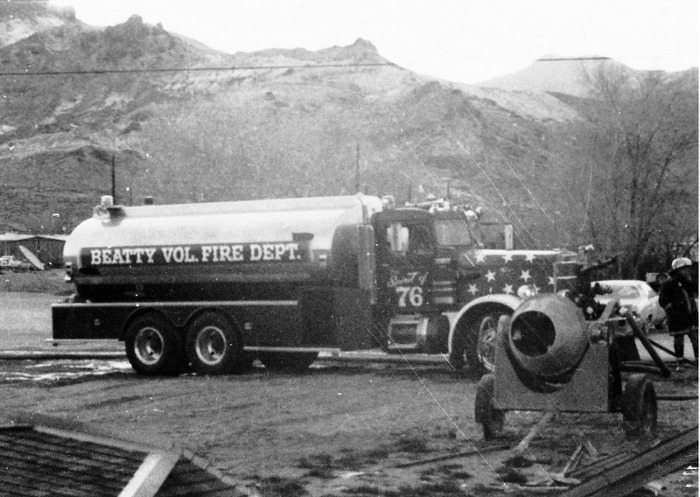
By 1974, Beatty was a small but steady community—no longer a raw mining camp, but not a polished resort town either. Main Street held taverns, motels, cafes, and mom-and-pop shops serving a mix of miners, test-site workers, truckers, and tourists. Population hovered in the hundreds, yet the town had survived when so many early 1900s Nevada camps had blown away with the desert dust. Those seven decades, from 1905 through 1974, forged the Beatty people know today: a tough little oasis at the edge of Death Valley, shaped by gold, railroads, atomic tests, and the long, open road.