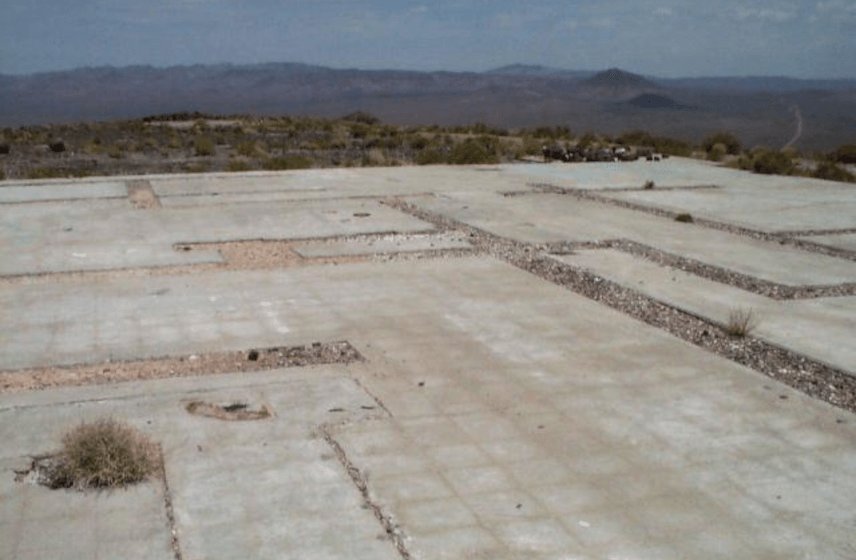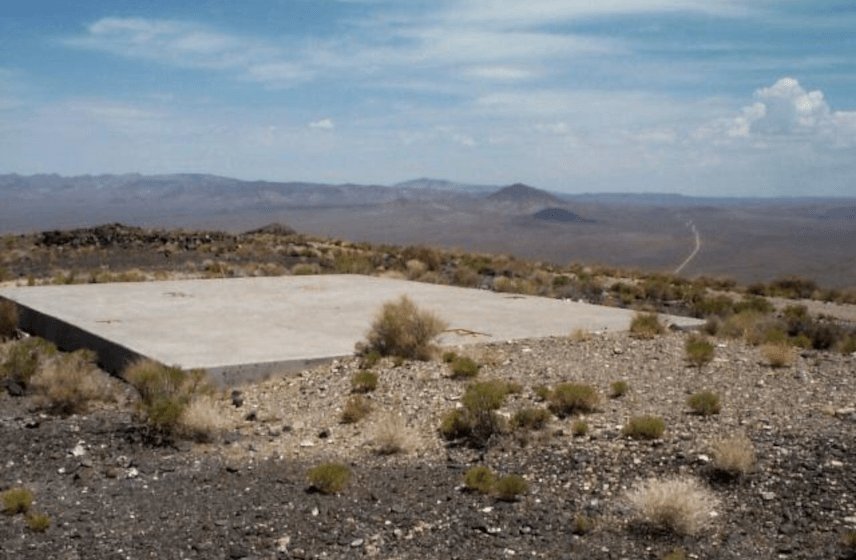
Beatty, Nevada: 1905–1974
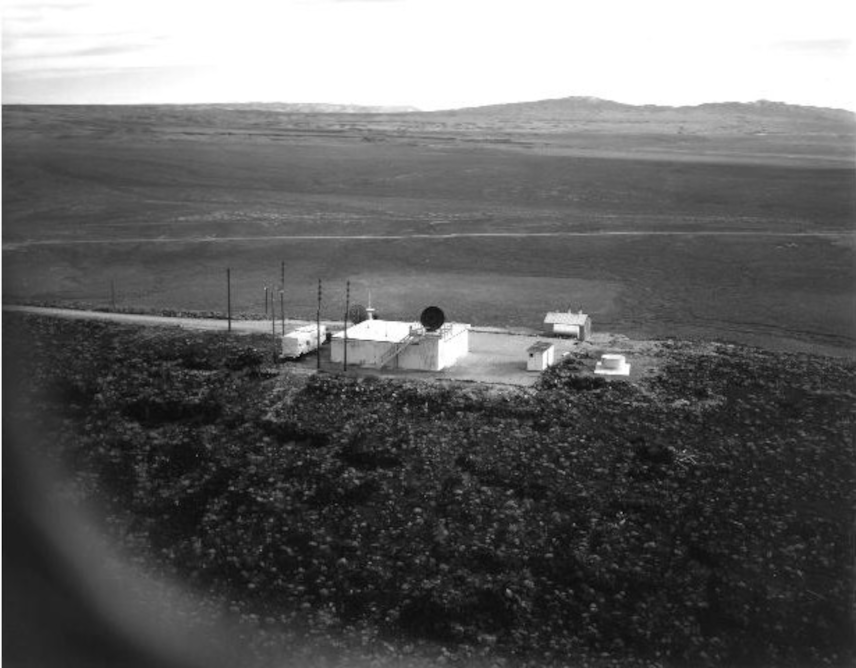
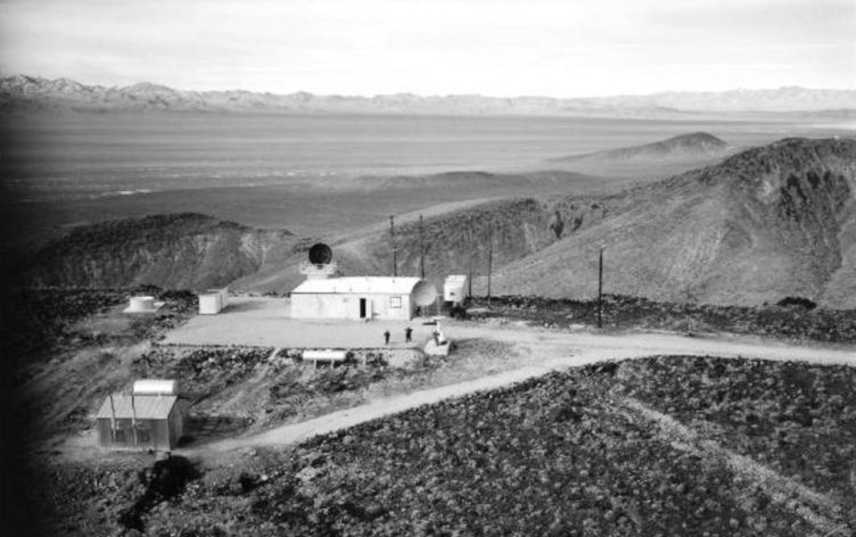
Beatty was one of NASA’s “High Range” radar tracking stations, along with sites at Ely, NV and at/near Edwards AFB in California. These stations formed a chain that followed experimental aircraft as they screamed across the Mojave at hypersonic speeds.

Location & facilities:
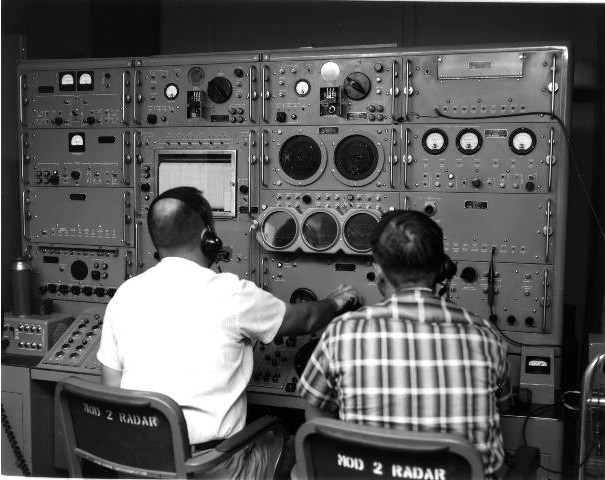
The station sat on a hill just outside Beatty: one small hangar (about tennis-court sized), three trailers, and several large radar dishes. A 10-person crew of electronics and radar specialists lived in town and were driven up to the site each day.

Main missions:
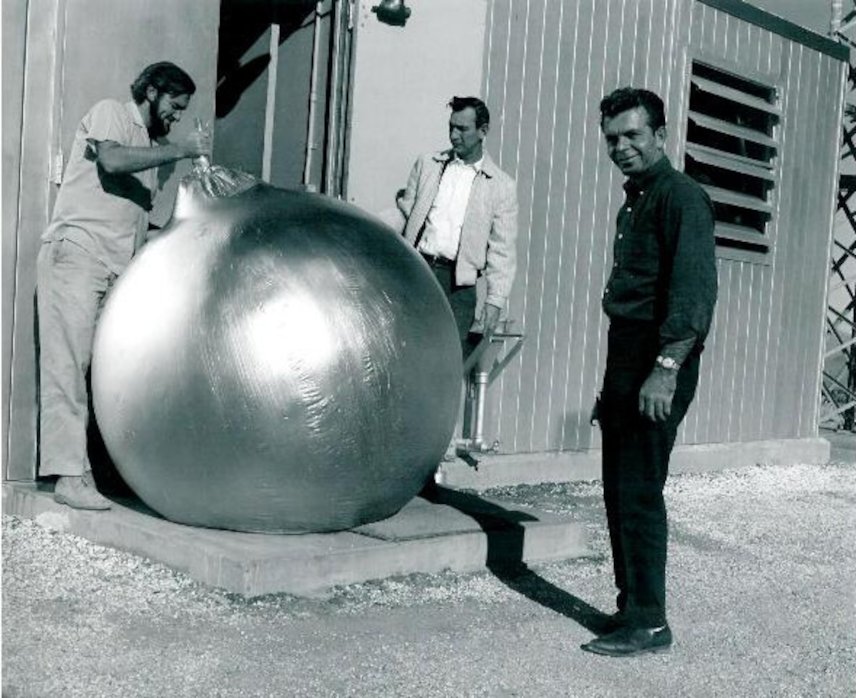
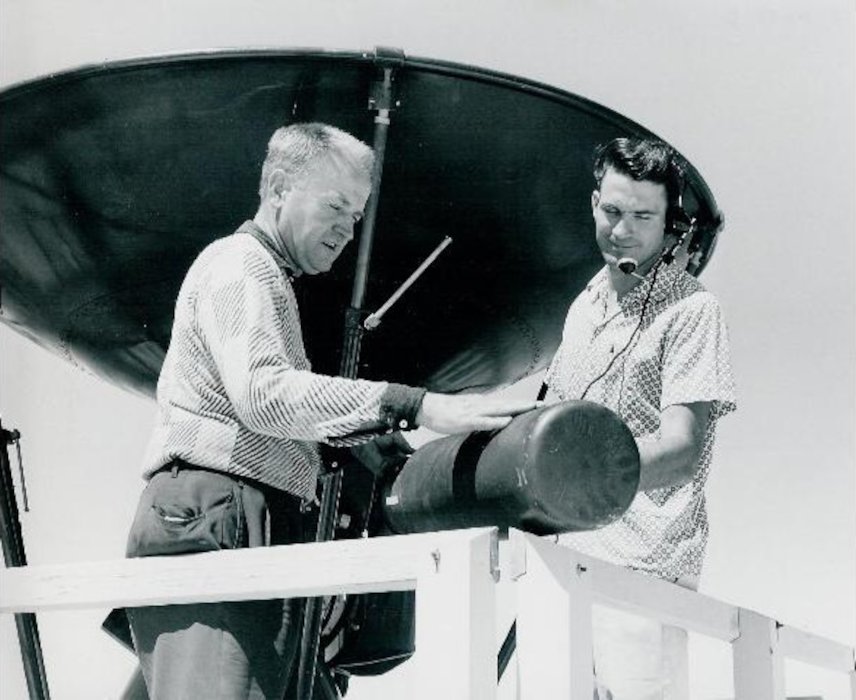
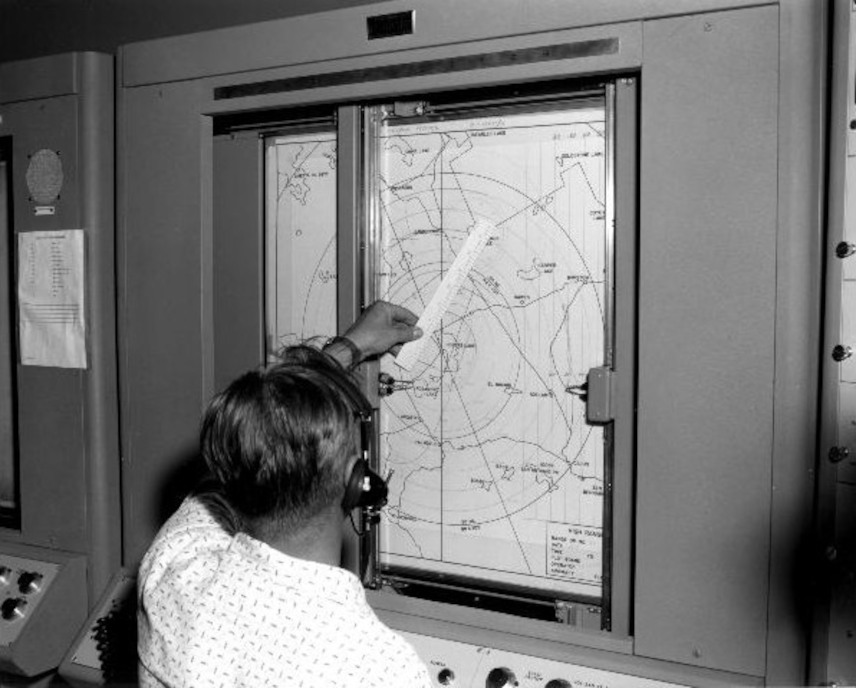
Its primary job was to track the X-15 rocket plane—the program that pushed aircraft to the edge of space (up to around Mach 6 and over 50–100 km altitude). Beatty’s radar provided precise altitude, position, and especially velocity data for these flights. Besides the X-15, the Beatty High Range station also supported: XB-70 Valkyrie supersonic bomber/testbed flights, Lifting bodies (early spaceplane prototypes), LLRV – Lunar Landing Research Vehicle (Apollo training), YF-12 / SR-71 “Blackbird” family, Occasional CIA A-12 Oxcart flights out of Groom Lake (Area 51), where Beatty’s radar was used to certify top-secret speed and altitude records.

How advanced it was:
The Beatty radar was a high-precision tracking radar, not a simple search radar. It could track targets directly overhead at very high altitude and speed and was considered more accurate than some of the older Air Defense Command radars it was compared with. That accuracy is why it was trusted for both NASA research and classified CIA work.

Era and what happened to it:
NASA set up shop in Beatty in the mid-1960s during the height of the X-15, XB-70 and early Blackbird programs. As those programs wound down toward the late 1960s, the High Range’s role declined. The Beatty site was eventually abandoned; over the years vandalism and weather did the rest. Local historical notes say the station was dismantled and only the concrete foundations remain today.